FREE SHIPPING ON UK ORDERS

0 - £0.00

No products in the cart.

Gut Health Test UK

Understand Your Gut

Our at-home gut health test analyses your microbiome to uncover digestive imbalances, bacteria diversity, and personalised diet recommendations.

  • At-home sample kit
  • Laboratory microbiome analysis
  • Personalised nutrition report
  • UK clinical guidance
✓ Clinician supported ✓ Secure lab testing ✓ UK-based support
Happy customers enjoying gut health

What Is a Gut Health Test?

A gut health test is a scientific analysis of the microorganisms living inside your digestive system. These microorganisms, collectively known as the gut microbiome, include trillions of bacteria, fungi, and other microbes that influence digestion, immunity, metabolism, and even mood.

A modern gut health test typically involves analysing a small sample in a laboratory to identify the types of bacteria present in your gut and how balanced your microbiome is. By studying this microbial ecosystem, specialists can gain valuable insights into how well your digestive system is functioning and whether imbalances may be contributing to symptoms.

Rather than focusing on a single condition, microbiome testing looks at the broader picture of your digestive health. The results can help identify bacterial imbalances, low microbial diversity, and other patterns linked to digestive discomfort or long-term health issues.

For many people, a gut health test provides a clearer understanding of their body and practical guidance on how to support their microbiome through diet and lifestyle changes.

What Does a Gut Health Test Measure?

🧬

Gut bacteria diversity

Microbial diversity refers to the range of different bacteria living in your gut. A diverse microbiome is generally associated with better digestive resilience and overall health.

⚖️

Beneficial vs harmful

Your gut contains both helpful and potentially harmful microbes. We identify the balance to ensure beneficial bacteria are supporting your immunity and digestion.

📊

Microbiome balance

Testing reveals whether certain species are overrepresented or lacking, helping practitioners understand how your specific gut ecosystem is functioning.

🧪

Digestive markers

We analyse markers related to microbial activity and metabolic by-products to reveal how effectively your gut bacteria perform essential functions.

Why Your Gut Microbiome Matters

Your gut is the central hub for your body's systems.

🍽️

Digestion

Gut bacteria break down complex carbohydrates and fibre that your body cannot digest alone. These microbes produce beneficial compounds essential for optimal digestive health.

🛡️

Immunity

A large portion of the immune system resides in the gut. Healthy bacteria act as a gatekeeper, regulating immune responses and protecting you against external pathogens.

🧠

Mental Health & The Gut–Brain Axis

Through the gut–brain axis, your microbes produce neurotransmitters that directly influence mood, stress resilience, and overall cognitive function.

🔥

Inflammation

Imbalances in your microbiome can trigger chronic, low-grade inflammation. Maintaining a healthy microbiome helps support a balanced inflammatory response throughout the body.

We Offer Child Gut Health Tests

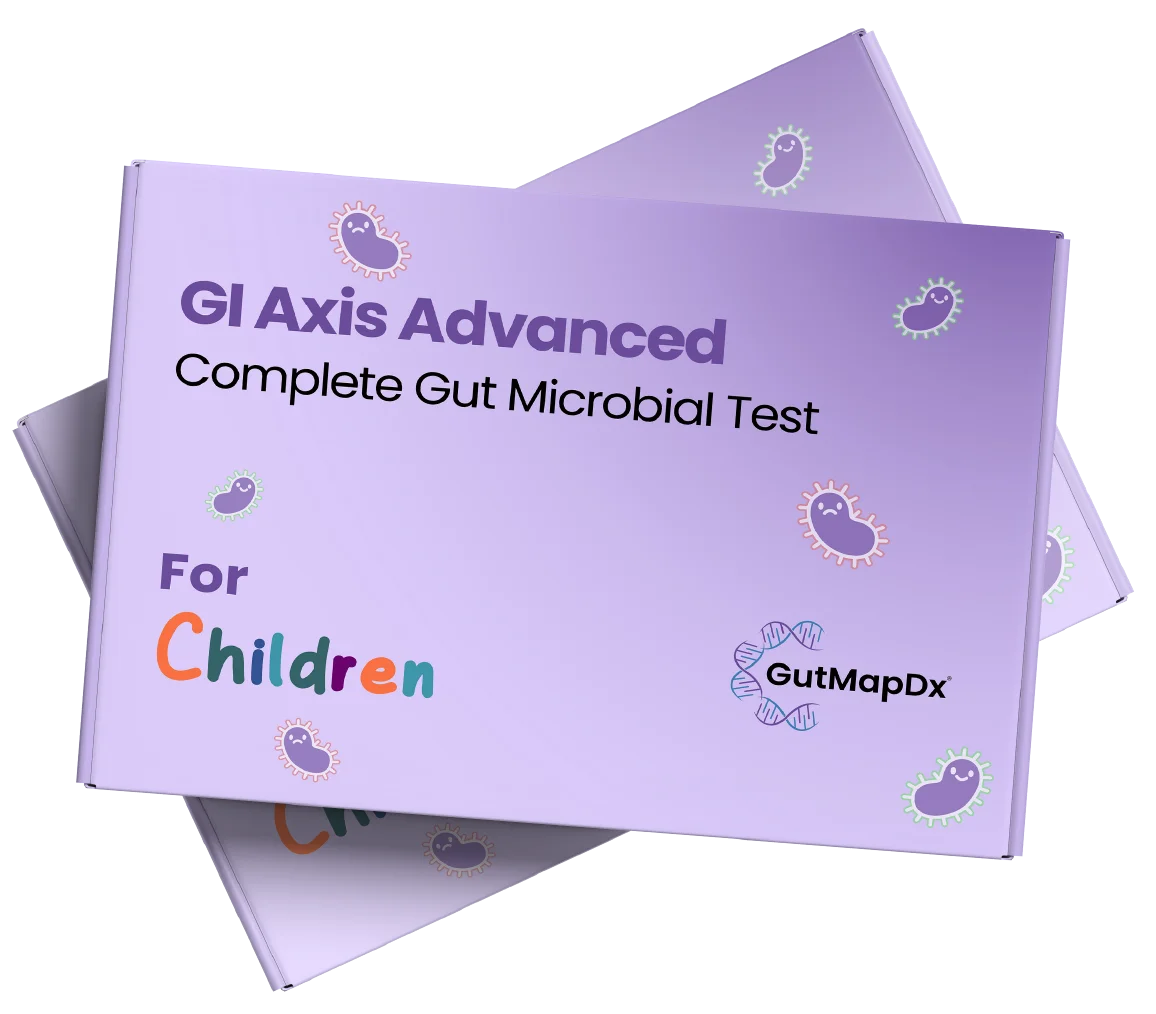
Our children’s gut health tests are designed to give you a clear, science-led understanding of your child’s microbiome and how it may be affecting their overall wellbeing. Using a simple at-home stool sample, the laboratory analyses the balance of beneficial and harmful bacteria in your child’s gut, helping to identify potential imbalances linked to digestion, immunity, allergies and more.

But this is more than just a lab report. Every result is personally reviewed and translated into practical, easy-to-follow guidance. You’ll receive a detailed breakdown of your child’s gut health alongside tailored dietary advice, a monthly nutrition plan and targeted supplementation recommendations.

Whether your child is experiencing symptoms like bloating, eczema or frequent illness, or you simply want to optimise their health early on, this service helps you move from uncertainty to clear, personalised action.

View Child Gut Health Tests
Child Gut Health Test Kit UK

Visit Shop

What Your Gut Health Test Results Reveal

Gut Microbiome Diversity

Your report will show how your microbial diversity compares with typical healthy ranges.

Beneficial and Harmful Bacteria

Identifies different bacterial groups within your gut, highlighting the good and the bad

Digestive Function Markers

Your report may highlight functional markers to show how effectively your microbiome is supporting digestion.

Food Sensitivities and Gut Balance

While microbiome tests do not diagnose food allergies, they can reveal bacterial patterns that sometimes correlate with digestive sensitivities or imbalances related to certain foods.

Personalised Diet and Lifestyle Advice

Based on your results, recommendations can help you support beneficial bacteria and restore microbial balance

Support

Ongoing help and support from our knowledgeable team

Nicola Furlong, Gut Health Specialist
🏆 Practitioner of the Year 2025

Meet Nicola Furlong

Gut Health Practitioner & Holistic Specialist

"If you want to understand your health, start with your gut. Everything starts and ends there."

Following her own journey with IBS, Nicola dedicated her career to decoding the microbiome. As a RICTAT-registered practitioner, she combines personal insight with functional testing to help you uncover the root cause of digestive issues, not just the symptoms.

Microbiome Analysis Digestive Health Functional Wellness Nutritional Guidance
Read Nicola’s Full Journey

We Only Work With Accredited Laboratories and Practitioners

logo of the iafmd

Who Should Take a Gut Health Test?

A gut health test can be helpful for many people, particularly those experiencing ongoing digestive symptoms or seeking to improve their overall wellbeing.

People With Digestive Symptoms

If you frequently experience digestive discomfort, testing your gut microbiome may provide helpful insights.

Common symptoms include:

• bloating
• irritable bowel syndrome (IBS)
• diarrhoea
• constipation

Understanding your gut bacteria may help identify patterns linked to these symptoms.

People With Chronic Health Issues

Research continues to explore connections between the gut microbiome and several long-term health conditions.

Some individuals consider microbiome testing when experiencing:

• persistent fatigue
• inflammatory conditions
• autoimmune issues

While testing does not diagnose disease, it can provide useful information about microbial balance.

Anyone Interested in Optimising Their Gut Health

Many people choose to take a gut health test simply to learn more about their body. Even individuals without obvious symptoms may benefit from understanding their microbiome and how diet or lifestyle factors influence it.

Signs Your Gut Health May Be Poor

The gut microbiome influences many bodily systems. When the microbial balance is disrupted, a variety of symptoms may appear.

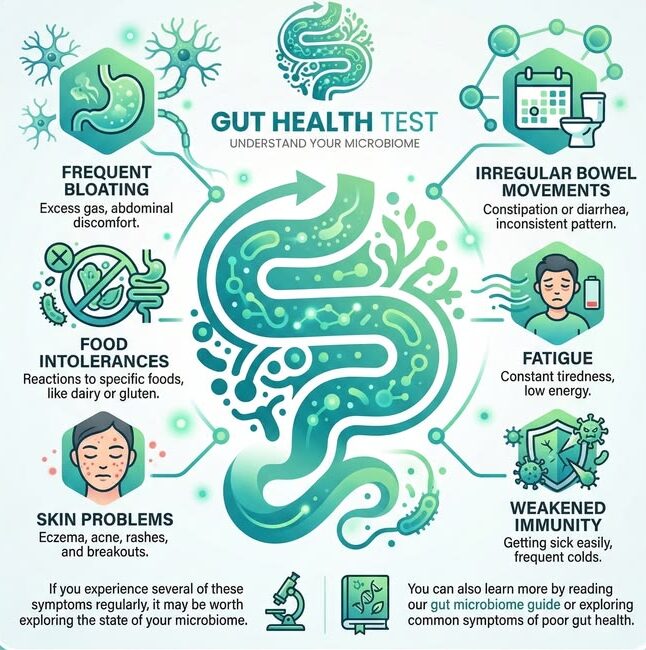
Common signs of poor gut health can include:

• frequent bloating
• irregular bowel movements
• food intolerances
• fatigue
• skin problems
• weakened immunity

If you experience several of these symptoms regularly, it may be worth exploring the state of your microbiome.

You can also learn more by reading our gut microbiome guide or exploring common symptoms of poor gut health.

an infographic explaining when a gut health test might be suitable

The Science Behind Our Gut Health Test

Gut microbiome testing is supported by a rapidly growing field of research. Scientists around the world are studying how gut bacteria influence health, disease risk, and overall wellbeing.

Microbiome Sequencing Technology

Modern gut health tests use DNA sequencing technology to identify bacterial species present in a stool sample. By analysing microbial genetic material, laboratories can accurately map the composition of your gut microbiome.

Clinical Research on Gut Bacteria

Over the past two decades, scientific research has uncovered thousands of bacterial species living in the human digestive tract. Studies continue to investigate how these microbes interact with diet, immune responses, and metabolic processes.

Laboratory Analysis Standards

Professional microbiome testing is conducted in specialised laboratories that follow strict protocols for sample handling, DNA extraction, and sequencing analysis. These procedures help ensure reliable and reproducible results.

Accuracy of Gut Microbiome Testing

Microbiome testing can provide valuable insights into microbial composition and diversity. However, it is important to interpret results within context, as the microbiome is highly dynamic and influenced by factors such as diet, medication, and lifestyle.

Professional guidance can help translate these findings into practical recommendations.

Gut Health Test vs NHS Testing

Many people in the UK wonder how a private gut health test compares with tests provided through the NHS.

When the NHS Tests Gut Health

The NHS may carry out stool tests or other investigations when symptoms suggest infection, inflammation, or specific digestive conditions. These tests are typically focused on diagnosing medical issues.

Why At-Home Microbiome Testing Is Different

A private gut health test focuses on analysing the overall composition of your microbiome rather than diagnosing disease. The goal is to understand bacterial balance and provide insights into how diet and lifestyle may influence gut health.

When a Private Gut Health Test Is Useful

Microbiome testing can be helpful for people seeking deeper insight into digestive health, especially when they want personalised nutritional guidance based on their gut bacteria.

KEY INSIGHTS

Benefits of Testing Your Gut Microbiome

Understanding your gut microbiome can provide several potential benefits:

  • Identify gut imbalances that may contribute to digestive discomfort.
  • Improve digestion by supporting beneficial bacteria.
  • Support immune health through a balanced microbiome.
  • Personalise dietary choices based on microbial patterns.
  • Optimise long-term health and wellbeing.

By learning more about your gut bacteria, you gain the opportunity to make informed choices that support your body’s natural balance.

CLINICAL CONTEXT

How Accurate Are Gut Health Tests?

Gut health tests rely on advanced microbiome sequencing technology to analyse bacterial DNA within a stool sample, allowing laboratories to identify hundreds of microbial species.

The accuracy depends on laboratory procedures, sequencing methods, and data interpretation. High-quality laboratories use carefully validated processes to ensure reliable analysis.

However, it is important to remember that the gut microbiome is dynamic. Diet, medication, stress, and other lifestyle factors can influence microbial composition. For this reason, results should be viewed as a snapshot of your microbiome. Interpreting these findings alongside professional guidance helps translate them into meaningful health improvements.

How Much Does a Gut Health Test Cost in the UK?

Gut Health Tests

Children's Gut Health Tests

Infant and Toddler Gut Health Test

Aged 0–3: Microbiome development tracking

£440
Shop Now

Child Gut Health Test

Comprehensive GI Axis Analysis for Children

£440
Shop Now

Food Sensitivity Maps

FoodSensitivityMap 130

130 foods & drinks

£260
Shop Now

FoodSensitivityMap 270

270+ foods & drinks

£310
Shop Now

Why Choose Our Gut Health Test?

Join thousands who have unlocked their digestive potential with our UK-based expert analysis.

✓ UK-Based Microbiome Experts
✓ Advanced Lab Sequencing
✓ Personalised Nutrition Plan
✓ Simple At-Home Collection
✓ Secure Data Protection

By combining deep scientific analysis with practical, personalised guidance, we provide the tools you need to take control of your digestive wellbeing today.

Start Your Gut Journey

* Gut Health Test products must be used in conjunction with a health practitioner. Our services are for informational and educational use only and do not provide medical diagnoses or clinical advice. Always seek the guidance of your GP or a medical professional regarding any health concerns or before making significant changes to your diet or lifestyle. We define “Food Sensitivity” within our reporting as an IgG antibody reaction to specific foods.